EFT and DEFT therapies help people who feel overwhelmed, anxious, depressed, ashamed, or emotionally shut down. These therapies are especially effective for trauma, anxiety, depression, self‑criticism, and difficulties regulating emotion. They work by helping you understand your emotions, soften painful patterns, and reconnect with your deeper needs — safely, gently, and at your pace.
About Me
Professional Bio
I am a fully qualified, registered and accredited
psychotherapist with the National Counselling and Psychotherapy Society
(NCPS), adhering strictly to their Ethical Framework and
professional guidelines for safe, responsible and evidence‑based therapeutic
practice. My work is grounded in the values of respect, transparency, and
psychological safety, and I am committed to providing therapy that is ethical,
effective, and tailored to each individual.
My core training is an MSc in Person‑Centred Experiential
Psychotherapy, which forms the foundation of my therapeutic approach. This
means that at the heart of my work is a deep respect for your lived experience,
emotional world, and capacity for growth. Alongside this, I draw from several
experiential and relational models that I have undertaken substantial training
in, including:
- AEDP
- (Accelerated Experiential Dynamic Psychotherapy)
- DEFT
- (Dynamic Emotion‑Focused Therapy)
- ISTDP
- (Intensive Short‑Term Dynamic Psychotherapy)
- EFIT
- (Emotionally Focused Individual Therapy)
- EFT - Certified Level 3 practitioner
- (Emotion-Focused Therapist)
- PCE‑CfD
- (Person‑Centred Experiential Counselling for Depression)
- CTFD
- (Couple Therapy for Depression)
In addition, I have completed all levels of Emotionally
Focused Couples Therapy (EFT-C), enabling me to support couples in
transforming negative relational cycles and strengthening emotional bonds.
Across all of my work—whether with individuals or couples—I
integrate these evidence‑based approaches in a way that is attuned, relational,
and responsive to your unique needs. My aim is to offer a therapeutic
relationship where you feel understood, supported, and able to explore the
emotional and relational patterns that matter most.

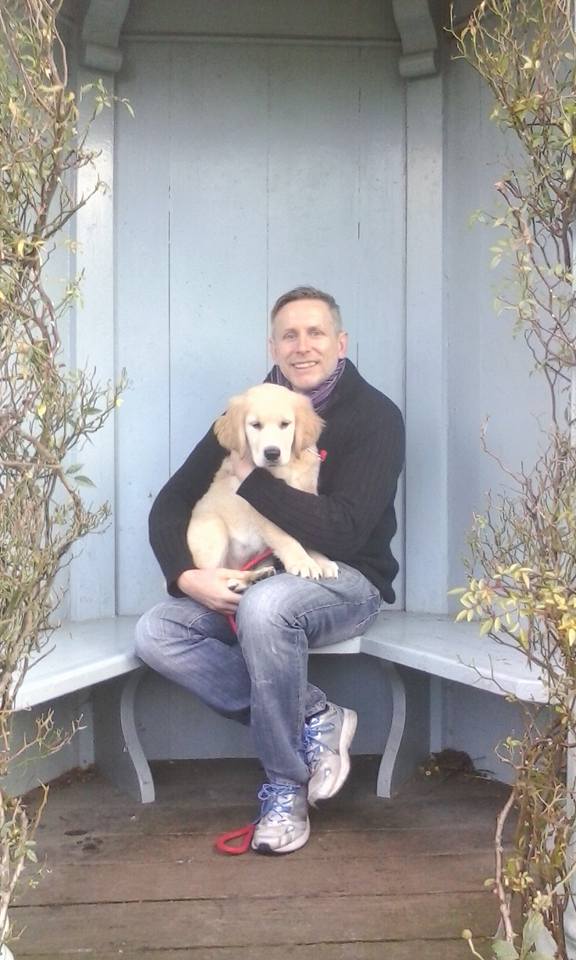
- MSc degree in Person-Centred and Experiential Psychotherapy (2018)
- Diploma in Cognitive Behavioural Therapy (2014)
- Certificate in Counselling (1996)
- Qualified practitioner in Person-Centred Experiential Counselling for Depression in (2021)
- Qualified practitioner in Couple Therapy for Depression (2022)
- Emotionally Focused Individual Therapy: (EFIT) Level 1 training in 2021 (Sue Johnson’s model)
- Emotionally Focused Individual Therapy: (EFIT) Level 2 training in 2021 (Sue Johnson’s model)
- Emotion-Focused Therapy (EFT) Level 1 in 2017 (Les Greenberg's model)
- Emotion-Focused Therapy (EFT) Level 2 in 2018 (Les Greenberg's model)
- Emotion-Focused Therapy (EFT) Level 3 in 2020-2021 (Les Greenberg's model)
- Emotion-Focused Couple Therapy (EFCT) Externship in 2021 (Sue Johnson’s model)
- Emotionally Focused Couple Therapy (Core Skills) in 2021 an Advanced Training Program (Sue Johnson's model)
- Schema Therapy Foundations: Theory and Core Skills (2022)
- Advanced Schema Therapy for Complex Cases (2023)
- Dynamic Emotion Focused therapy (DEFT) Certificate in 2024 (Susan Warren Warshow’s model)
- AEDP - Immersion (2025)
- Emotionally-Focused Family Therapy - Level 1 and 2 (2025)
- Certified Emotion-Focused Therapist for individuals (2026)
Mental health, emotional and relational difficulties I work with include:
- Anxiety (generalised anxiety, social, panic, worry, fear‑based patterns)
- Depression and low mood
- Emotional overwhelm, numbness or shutdown
- Chronic self‑criticism and shame
- Difficulty identifying or expressing emotions
- Emotional instability linked to unmet needs or past experiences
Trauma‑Related Difficulties
- Childhood emotional neglect or relational trauma
- Developmental trauma
- Complex trauma (C‑PTSD patterns)
- Single‑incident trauma
- Attachment injuries/wounds
- Trauma‑related emotional blocks (fear, shame, helplessness, anger)
Relational and Interpersonal Difficulties
- Repeating relational patterns that cause distress
- Fear of closeness or fear of abandonment
- Conflict (inter-personal) cycles in relationships
- Feeling unseen, unsupported or disconnected
- Couples experiencing emotional distance, insecurity or negative cycles
- Difficulties with trust, vulnerability or emotional communication
Self‑Related Difficulties
- Low self‑worth or self‑esteem
- Harsh inner critic
- Identity confusion or feeling “lost”
- Feeling stuck, blocked or unable to move forward
- Difficulty accessing inner resources or self‑compassion
Stress and Life Challenges
- Burnout
- Overwhelm from life transitions
- Grief and loss
- Adjustment difficulties
- Emotional distress linked to health issues or caregiving
Patterns of Coping That No Longer Serve
- Avoidance
- People‑pleasing
- Emotional suppression
- Perfectionism
- Over‑functioning or under‑functioning in relationships
Why these areas fit PCE therapy
Because PCE therapy works directly with emotion,
experience, and the relational process, it is especially suited
to difficulties where emotions feel overwhelming, stuck, confusing, or
disconnected.
While I work with a wide range of emotional, relational and trauma‑related difficulties, there are certain situations where another type of service or specialist support would be more appropriate. This is to ensure you receive the safest and most effective care.
I do not work with:
- Active psychosis or unmanaged schizophrenia These conditions require specialist psychiatric care and multidisciplinary support.
- Severe or unstable bipolar disorder Particularly where mood episodes are acute or medication is not yet stabilised.
- Active substance dependence Therapy can be helpful once stabilisation specialist addiction treatment is in place.
- High‑risk situations requiring crisis intervention Such as imminent risk to self or others, which is best supported by emergency or crisis services.
- Severe eating disorders requiring medical monitoring These conditions need coordinated medical, nutritional and psychological care.
- Court‑ordered therapy, medico‑legal reports or assessments I do not provide legal documentation, diagnostic reports or mandated treatment.
- Personality disorders requiring specialist DBT or structured programmes I can work with emotional and relational patterns, but not within a formal PD‑specific treatment programme.
- Couples experiencing coercive control or ongoing domestic abuse Couples therapy is not safe or appropriate in these circumstances; individual support is recommended.
In any situation where your needs fall outside my scope, I will discuss this with you sensitively and help you find the right kind of support.
Contact Me
Feel free to contact me if you have any questions about how counselling works, or to arrange an initial assessment appointment. This enables us to discuss the reasons you are thinking of coming to counselling, whether it could be helpful for you and whether I am the right therapist to help.
You can also call me on 07756 814388 or 01205 871144 if you would prefer to leave a message or speak to me first. I am happy to discuss any queries or questions you may have prior to arranging an initial appointment.
All enquires are usually answered within 24 hours, and all contact is strictly confidential and uses secure phone and email services.
MY LOCATION
Online sessions are via Zoom. In-person sessions take place in a designated therapy room at the Old Coach and Horses in Wrangle which is easily accessible from areas such as Lincolnshire, Skegness, Spilsby and Woodhall Spa.
FEES
Individual therapy sessions are £40
Couple therapy sessions are £50
Sessions can be in-person or online or a mixture of both.
Payment can be made in cash or by completing a bank transfer. Please ensure payment is made on the day the therapy session.
The therapist can be contacted by email or if you prefer please feel free to call on the number provided to book your first appointment.
PAYMENT & CANCELLATION
Payment can be made in cash or by bank transfer. Please ensure payment is made promptly on the day the therapy is provided.
Frequent cancellations may lead to being discharged from the service.
Frequently Asked Questions
Your first session is a gentle, steady beginning. You don’t need to prepare anything or know exactly what to say. We will start slowly, giving you space to settle and talk about what you are finding difficult or important to work on. We will take a look at the reasons you are seeking therapy and what you would like to achieve such as your hopes and goals.
Yes — your sessions are confidential. Therapy is a private, protected space where what you share is treated with care, respect, and sensitivity. You’re free to talk openly, knowing your experiences won’t be shared with anyone else.
There are a few legal and ethical exceptions that apply to all therapists in the UK. I may need to share information if:
- you are at immediate risk of seriously harming yourself or someone else
- a child or vulnerable adult is at risk of harm
- I am required by law (for example, a court order)
- you disclose involvement in serious criminal activity
If any of these situations arise, I will always try to talk with you first, explain what needs to happen, and involve you in the process wherever possible.
I will honour your right to make choices about your therapy, including the pace, focus and duration of our work. However weekly or bi-weekly appointments are recommended for optimal benefit. I offer open-ended therapy and no limits are imposed.
If you’re wondering whether it is time to end your therapy, I invite you to have a gentle conversation about doing so. Ideally, endings can be prepared and co‑created with the therapist at your pace. Ending therapy doesn’t close the door. Life changes, and many people come back for a few sessions or a new piece of work. You’re always welcome to reconnect.
I use b-a-c-p-a-c which is a system designed to ensure your information is safe, secure and completely confidential. Secure: b-a-c-p-a-c has been built on a secure hosting platform by Mayden, a company with over 10 years experience developing protected software for the NHS, voluntary services and the private sector. Encrypted: The information stored within b-a-c-p-a-c is encrypted and in addition to a password, your therapist must input a unique code each time they log in. This ensures that your records are accessible only to them: Trusted Mayden has been vetted by the NHS and by the Ministry of Defence to host confidential medical information, so you can be certain that your notes are stored safely and securely.
If you need to cancel or reschedule a session, just let me know as soon as you can. You can do this by email or text — whatever feels easiest for you. Please try to provide 24 hours notice. If cancellations happen regularly, it can affect the work. In those situations, we’ll discuss whether continuing therapy is helpful or whether a different kind of support might be better.
You can get in touch through the contact form by phone or email
If you’re in Boston or the surrounding villages, we can arrange an in‑person appointment; otherwise, online sessions are always available.
Individual therapy sessions are £40 (1 hour) and Couple Sessions £50 (1 hour) - unless an explicit agreement is made between client and therapist to provide longer sessions. Please make payment on or before the session is provided. This can be made in cash or bank transfer. Session fees will be reviewed in April 2027.
Your information is treated with the same gentleness and confidentiality as the rest of your therapeutic work. I only collect what I genuinely need to support you, and everything is stored securely in line with UK law, including the Data (Use and Access) Act 2025.
If you are worried about how your data is handled, please contact me first.
I will always take your concerns seriously.
1. You Raise a Concern
Email (russ@breakthrough2change.com) Contact Form, Letter — whatever feels easiest for you
2. I Acknowledge Within 30 Days
I confirm I’ve received your concern and outline what happens next
3. I Look Into It
A careful, proportionate investigation of what happened with your data
4. I Respond Without Undue Delay
I share a clear outcome and explain what I’ve found
5. Your Right to Escalate
If you’re not satisfied, you can contact the ICO for further support
If you feel your concern has not been resolved, you can contact:
The Information Commission
(Previously the ICO — renamed under the DUAA)
Website: ico.org.uk
You have the right to do this at any time.
© Breakthrough2Change
Powered by WebHealer